Most people think washing machines are always clean. After all, they wash dirty clothes every day. But the truth is quite different.
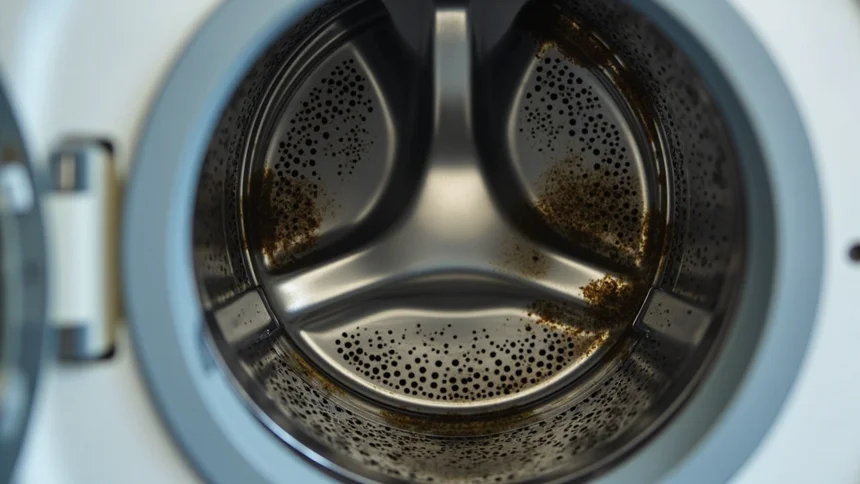
Your washer may look spotless on the surface. However, hidden mold, bacteria, limescale, and detergent residue often build up inside.
Neglecting regular cleaning will leave your laundry smelly, shorten the machine’s lifespan, and even affect your family’s health. This guide covers the exact cleaning frequency and easy steps for all washers.
Why Cleaning Your Washing Machine Is Necessary
The inside of a washing machine is warm and humid. This perfect environment lets mold, mildew and bacteria grow rapidly.
Leftover laundry detergent and fabric softener stick to the drum and seals, becoming food for germs.
If you skip cleaning, your freshly washed clothes will still have a musty odor. No matter how much detergent you use, your laundry will never feel truly clean.
Regular washer cleaning brings many practical benefits:
Extends the service life of your washing machine by preventing blockages and residue buildup
Improves washing performance with smoother water circulation
Eliminates mold and bacteria for healthier, fresher laundry
Saves electricity by keeping the spin and wash system efficient
Exact Cleaning Frequency for Washing Machines
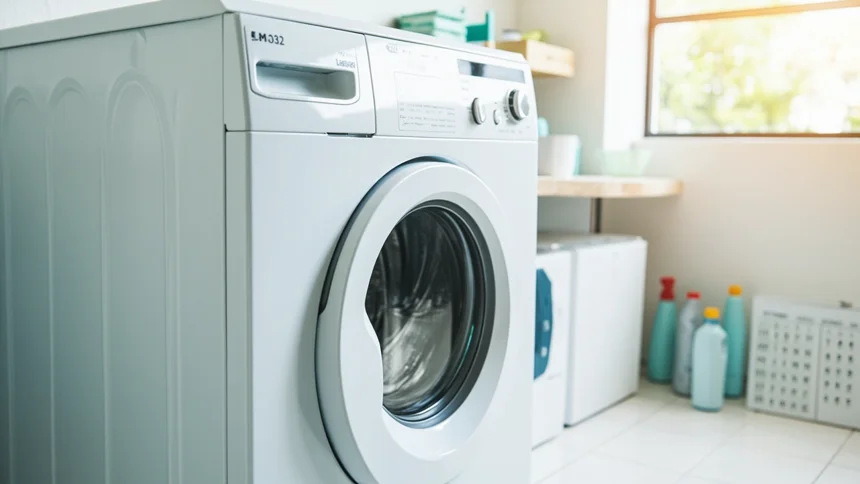
Your cleaning schedule depends on usage frequency and local water quality. Here is a simple and practical routine for reference.
Monthly Deep Clean: Do a full deep clean on the drum and rubber seals if you use the washer 3 times or more per week.
Weekly Surface Clean: Wipe the door seals, detergent drawer and spilled residues every week to avoid dirt accumulation.
Timely Spot Clean: After washing muddy clothes, sports outfits, pet bedding or cloth diapers, clean the machine in time.
If you live in a hard water area or use excessive detergent often, shorten the deep clean cycle to every two weeks.
Clear Signs Your Washer Needs a Deep Clean
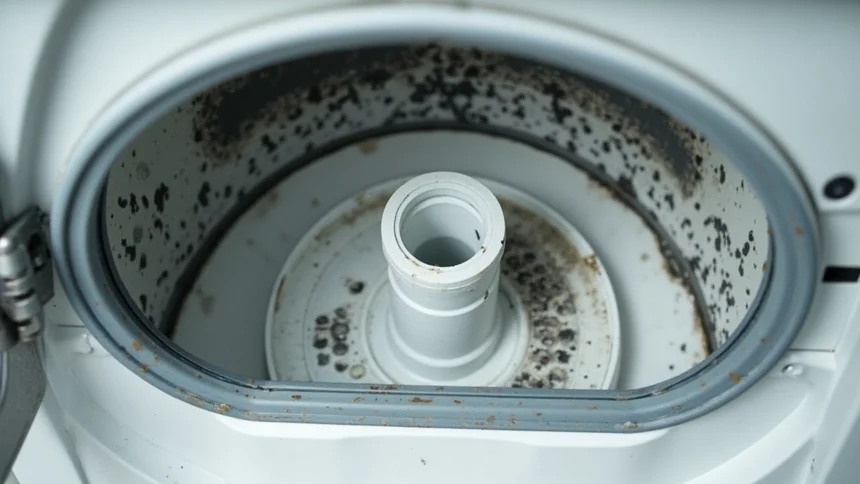
Watch out for these obvious warning signs. They mean your washing machine is already full of hidden dirt and germs.
Musty laundry odor: Freshly washed towels and workout clothes smell damp and moldy right after washing.
Black or gray spots: Dark mold patches appear around the door rubber gasket due to trapped moisture.
Dirty detergent tray: The soap drawer is sticky and covered with thick residue that is hard to clean normally.
If two or more of these problems appear within a month, you need to increase your cleaning frequency.
Step-by-Step Deep Clean Guide
Front-load and top-load washers have slightly different cleaning methods. Follow the targeted steps below for a thorough clean.
Front-Load Washing Machine Cleaning
1. Run a full hot cycle with 2 cups of white vinegar to dissolve internal residue.
2. After the vinegar cycle finishes, add half a cup of baking soda and run another hot wash cycle.
3. Take out the detergent drawer, soak it in warm soapy water, scrub thoroughly, rinse and dry.
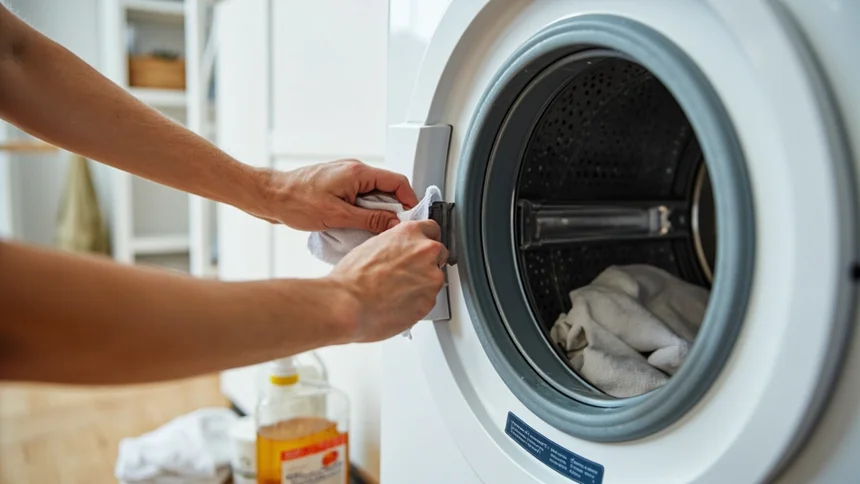
4. Flip open the rubber door seal and wipe every gap, where mold hides the most.
5. Clean the exterior door and panel with a damp cloth.
6. Leave the door and drawer open fully to air dry and prevent mold regrowth.
Top-Load Washing Machine Cleaning
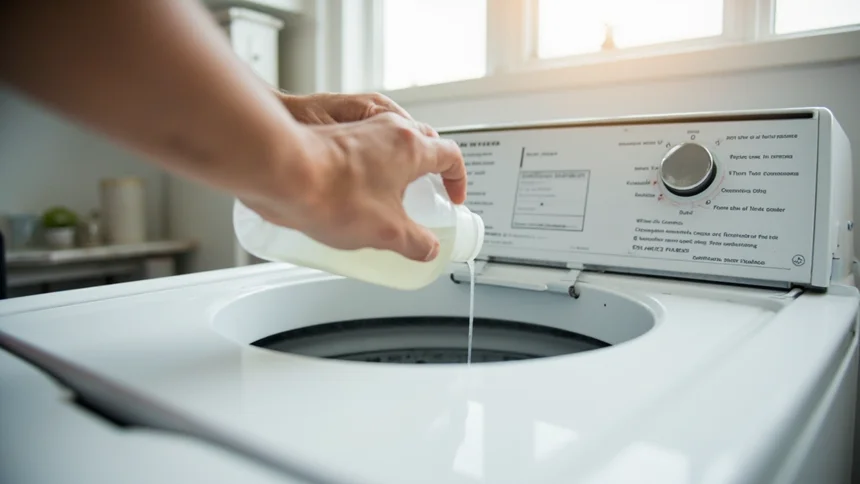
1. Fill the drum with hot water and add 4 cups of white vinegar, then run a full empty wash cycle.
2. Pause the machine for one hour mid-cycle, letting the vinegar solution fully dissolve limescale and dirt.
3. Refill hot water, add 1 cup of baking soda and run a complete rinse cycle.
4. Manually scrub the detergent drawer and the inner rim of the drum.
5. Wipe the drum walls with a microfiber cloth to remove residual dirt.
6. Keep the door open for long-term ventilation and drying.
Common Cleaning Mistakes to Avoid
Wrong cleaning methods will damage your machine and cause safety risks. Avoid these typical mistakes.
Never mix bleach and vinegar together, as this produces toxic chlorine gas.
Do not ignore the door gasket, which is the biggest mold breeding area.
Avoid strong chemical detergents, which will leave stubborn residues inside the drum.
Rinse the drum completely after cleaning. Residual vinegar or cleaners may irritate human skin.
Do not close the door immediately after use. Trapped moisture will cause mold to grow again quickly.
Easy Tips to Keep Your Washer Clean Longer
With simple daily habits, you can maintain a fresh washer and reduce frequent deep cleaning work.
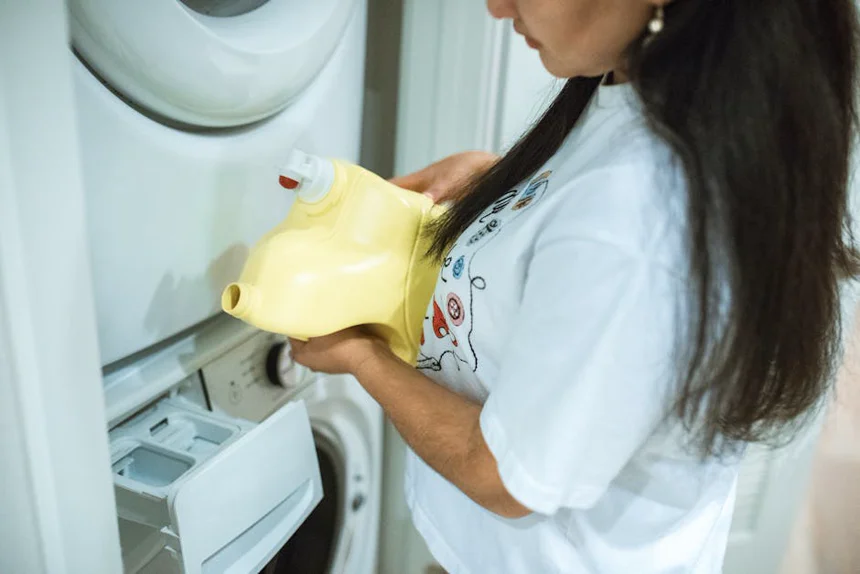
Use less concentrated detergent to avoid excessive foam and residue buildup.
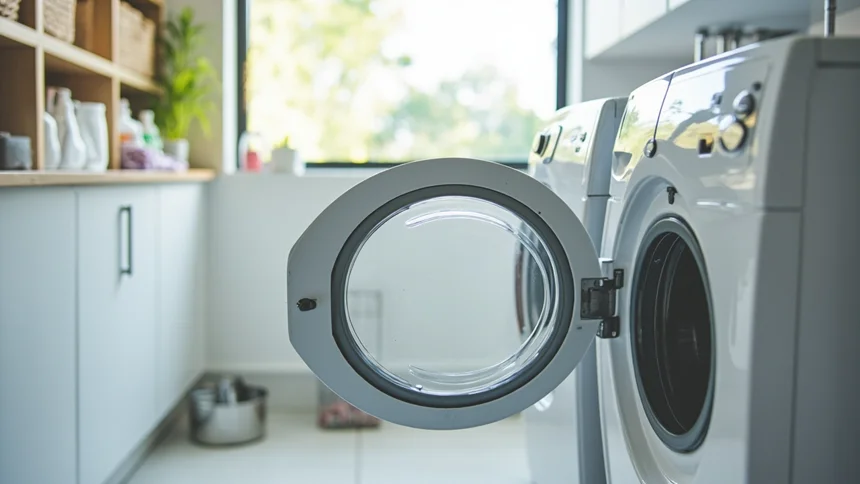
Open the machine door after every use to evaporate internal moisture.
Run the built-in self-cleaning cycle weekly if your washer supports it.
Wipe the door seal with a microfiber cloth after each wash.
Run an empty hot cycle monthly to dissolve hidden dirt.
Use lemon or vinegar to rinse the drum once every three months for deep deodorization.
DIY Cleaners vs. Store-Bought Washer Cleaners
You can choose natural household ingredients or professional chemical cleaners.
Natural DIY Cleaners
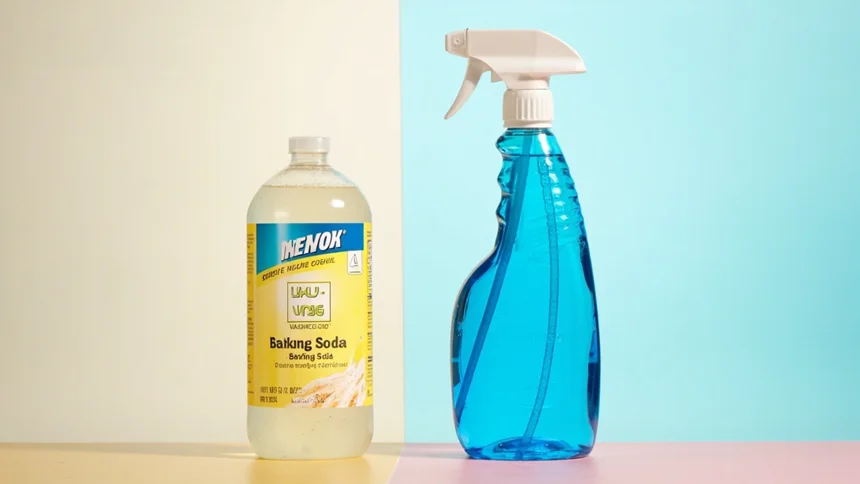
White vinegar is cheap, safe and effective for removing limescale and odors.
Baking soda works as a mild exfoliator and powerful deodorizer.
Commercial Cleaners
Products like Affresh and OxiClean Washer Cleaner are professionally formulated. They can reach dead corners that DIY methods may miss. Using them once a month is recommended.
No matter which method you choose, strictly follow the product instructions.
Frequently Asked Questions
Q1: Can I use bleach instead of vinegar?
A: Yes. Add a quarter cup of chlorine bleach and run a full hot cycle for disinfection.
Q2: Is the washer self-clean cycle reliable?
A: Yes. It helps maintain daily cleanliness, but manual cleaning of seals and drawers is still necessary for thorough results.
Q3: Can I put dryer sheets in the washing machine?
A: No. Dryer sheet residues will stick to seals and filters, causing odor and dirt buildup.
Q4: How to prevent excessive foam buildup?
A: Reduce detergent dosage, use high-efficiency (HE) detergent, and do extra rinses when using thick soap.
Final Thoughts
A clean washing machine equals clean clothes. Regular maintenance is far more important than most people think.
Stick to monthly deep cleans and weekly simple checks. Good habits avoid mold growth, bad odors and machine damage.
This routine saves your repair costs and ensures all your laundry is fresh, sterile and safe for your whole family.